
If you've been following along, you know how these sessions go. I come in thinking I've got a handle on the topic, and Peter finds the angle I didn't see coming. Session 5, which is also my last, was no different.
This time, he asked me to reflect two questions:
- Who knows you best?
- Who knows your impact best?
He made it clear. The answer could be personal or professional. Both count.
The Personal Side Felt Easy
On the personal front, the answer was obvious. My Wife. My kids. Family. Close friends. These are the people who know the real version of me. The one that exists outside my corporate world. They see the full picture, the wins, the stress, the life events, everything. They've been through it all with me.
That part of the answer came quickly and felt solid. No debate needed.
Work Was a Different Story
At work, my first instinct was to point to the people I've helped the most and the processes I put in place that made the biggest impact on the organization. The teams I've collaborated with on big projects. The new relationships I've built since joining Sentara. The colleagues who've seen me in the trenches. Work that actually moved the needle. Those felt like the right answers.
And honestly, they're not wrong. Those people do know my work. They've seen it up close.
But Peter wasn't done.
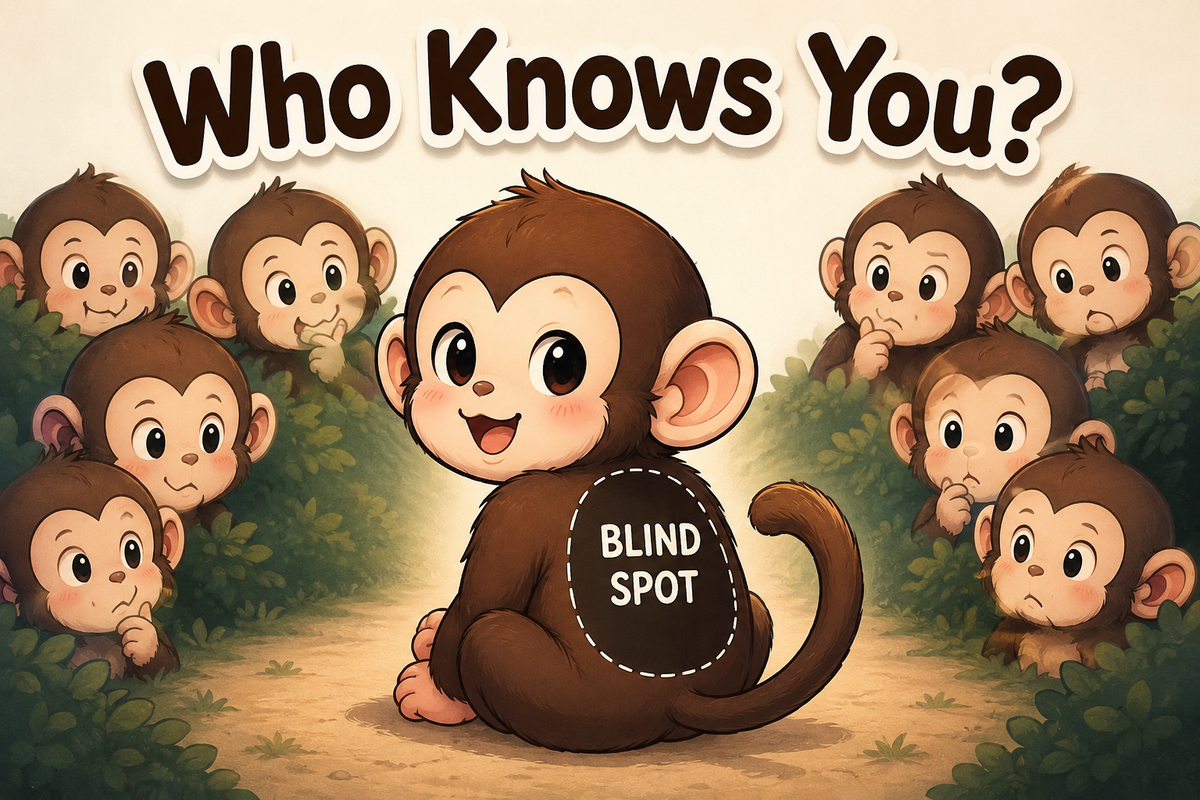
The Blindspot Question
Peter has a way of doing this. He listens to your answer, nods, and then quietly flips the frame on you.
His follow-up was something like: "That's great. But who are the people who don't know you that maybe should? And who's forming an opinion about your impact that you haven't even thought about? Or those that quietly watch, hoping for your next wrong move?"
That landed differently.
It's easy to think about your network as the people you've already built relationships with. The ones in your corner. The ones who've seen your work firsthand. But your reputation doesn't stop at the edges of your relationships. It extends into rooms you haven't walked into yet, and it's being shaped by people who may only have a partial picture looking from the outside.
Who on the senior leadership side has heard your name but hasn't connected it to anything yet? Who saw one slice of a project and drew a conclusion from it? Who saw the outage you caused and nothing else? Who has context about you that's outdated, incomplete, or just plain wrong?
That's the blindspot. Not what the people who know you think, but what the people who kind of know you assume.
Not Everyone Is Playing the Same Game
Peter told me something eye opening. He said that when it comes to building the right relationships, some of it comes naturally depending on how you grew up and what they've been exposed to in their personal life growing up. Some people have an instinct for it. They're naturally strategic about who knows them. Some are instinctively loyal, the kind who watch your back without being asked. Others lead with warmth, making everyone feel like a friend from day one. Some are chess players, always thinking three moves ahead about who they're connected to and why.
None of those instincts are inherently good or bad. But they shape how visible you are, how you're perceived, and whether the right people ever get a complete picture of what you bring.
The point wasn't to become someone you're not. It was to be aware of your natural wiring and make sure it isn't creating blind spots in how you show up to the people who matter most to your trajectory.
Impact Isn't Always Visible to the Right People
This one stuck out because I think it's easy to measure impact by the people who directly benefited from your work. And that's valid. But impact that no one in a position to advocate for you can see or speak to is impact that doesn't compound.
I've done work I'm genuinely proud of. Automation that saved hours, weeks, and months of work for the team. NAC policy changes that reduced security risk. Documentation that actually helped people. Mentoring team members and sharing knowledge. Building bridges within silos of an organization. But if the only people who know about that work are the ones who asked for it or were in the room when it happened, the signal doesn't travel.
Peter's challenge wasn't "do more visible work." It was more nuanced than that. It was: be intentional about who understands what you're contributing and why it matters. Not for ego reasons. For accuracy reasons. The people who will advocate for you in rooms you're not in can only do that with the information they have.
If they don't have it, they'll fill in the gaps themselves. And the gap-filled version of you is rarely as good as the actual one.
The Last Ride
This was our final session of the program. And Peter, being Peter, didn't let it end without one more recap.
The people who love you know you. That part's covered. At work, the people you've collaborated with know your work. That's good, but it's not the whole picture.
The real question is whether the people who can open doors for you actually understand what you bring. And whether there are people out there forming an impression of you based on incomplete information that you haven't bothered to correct.
Your reputation lives in other people's minds. The version of you that exists in rooms you're not in is the one that actually drives opportunity. Make sure that version is accurate.
Peter told me I'm doing everything I'm supposed to be doing. That if I stay on this path, stay consistent, and keep investing in the right relationships without making it busy work, it will all pay off. Not maybe. It will.
He's seen enough careers to know which ones compound and which ones stall. The fact that his closing advice wasn't "do more" or "move faster" but rather "stay the course" is the kind of signal that gives me confidence. Enjoy the ride. Be patient.